
Leave It to Beaver and the Problems Kids Still Face Today
Dec 29, 2025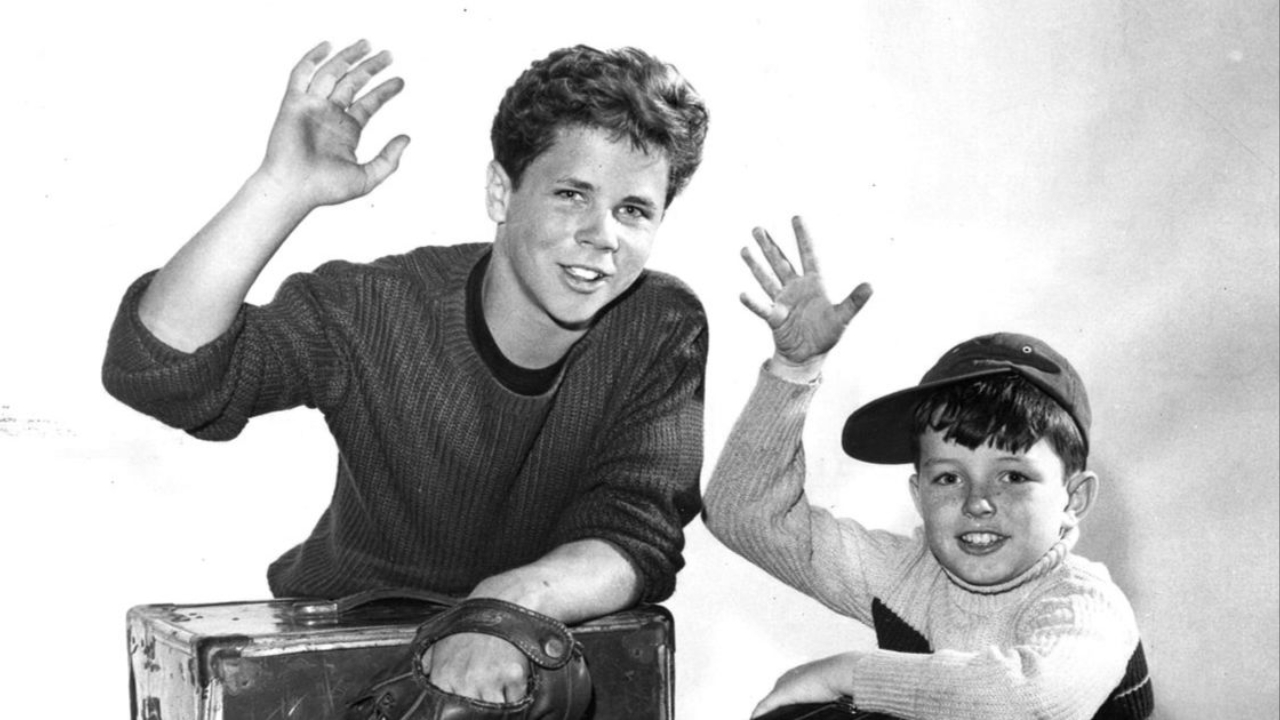
What a 1950s Sitcom Accidentally Taught Me About Self-Image, Relationships, and Purpose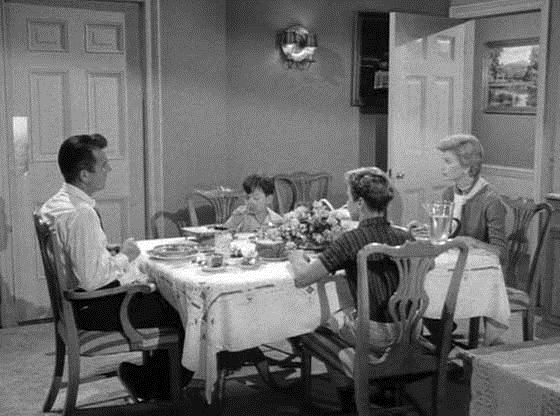
A Strange Discovery at the Breakfast Table
During COVID, our mornings slowed down in a way they never had before.
School was virtual.
Schedules were loose.
Breakfast quietly bled into late morning.
One day, my nine-year-old and I landed on Leave It to Beaver.
At first, it was just something calm and harmless playing in the background. No chaos. No sarcasm. No flashing graphics yelling for attention.
But a few episodes in, I had one of those quiet dad moments that sneaks up on you.
Every episode revolved around the same three struggles I see every day in kids now.
Self-image.
Relationships.
Purpose.
Seventy years later, the problems are still there. They just wear different clothes.
Self-Image: The Original Comparison Trap
One episode has Wally spiraling after a girl comments on his nose. He becomes self-conscious, distracted, and desperate to fix something that was never broken.
Another episode shows Beaver trying to erase his freckles because a bully made them his entire identity.
That was self-image anxiety in the 1950s.
Back then, the audience was small. A classroom. A street. A lunch table.
Today, it is global.
Social media.
Filters.
Endless comparison.
Constant quiet pressure to measure up.
The core issue has not changed. Kids still attach their worth to how they look and how they are perceived.
What the show gets right is this. When self-image cracks, judgment follows. Beaver lies. Wally makes bad decisions. Insecurity always costs more than confidence.
That truth still holds in schools today.
Confident kids raise their hands.
Insecure kids hide.
And hiding makes learning harder.
What this teaches adults
-
Model self-acceptance out loud. Kids listen more than we think.
-
Talk openly about comparison without shaming screens or trends.
-
Help kids build skills. Competence builds confidence better than compliments.
Relationships: The Social Curriculum No One Grades
Leave It to Beaver treats relationships as serious work.
Wally and Beaver fight like real brothers.
Best friends fall out and repair.
Crushes are awkward and confusing and unforgettable.
One episode has June making the boys sign a friendship agreement. Another has Ward explaining that conflict is not the end of a relationship. It is part of it.
In the 1950s, conflict happened face-to-face. You fought at recess and made up by dinner.
Today, conflict lives in group chats that never sleep. Ghosting replaces apologies. Screens buffer empathy.
But the skill set is the same.
Communication.
Empathy.
Repair.
The show quietly teaches that relationships are learned, not automatic.
That lesson matters more than ever.
Kids who cannot navigate relationships struggle in group work, team dynamics, and classroom culture. Emotional chaos drains focus. Drama competes with learning.
What this teaches adults
-
Teach conflict resolution early without rushing to rescue.
-
Create space for real conversations, not just digital ones.
-
Share your own awkward friendship stories. Kids need perspective.
Purpose: Figuring Out Where You’re Going Without Panicking
One later episode shows Beaver panicking about graduation after losing something symbolic. On the surface, it is minor. Underneath, it is fear.
Fear of failing.
Fear of disappointing people.
Fear of not being ready.
Another episode has Beaver exaggerating a school assignment because he believes ordinary is not enough.
That pressure feels incredibly current.
Today’s kids are surrounded by achievement culture, future anxiety, college debt conversations, and AI headlines questioning what jobs will even exist.
The question underneath is the same.
Do I matter
Am I capable
Where am I going
Leave It to Beaver frames purpose as something that develops. Beaver grows slowly. Responsibility replaces mischief over time.
That progression matters.
Kids do not need a life plan in middle school. They need permission to explore, fail safely, and learn accountability without shame.
What this teaches adults
-
Talk about the future without fear.
-
Help kids connect effort to growth, not perfection.
-
Use mistakes as coaching moments, not character judgments.
Why a 70-Year-Old Show Still Works
Self-image fuels confidence.
Relationships fuel belonging.
Purpose fuels resilience.
Those three together shape kids who can finish what they start. Including high school.
Watching Leave It to Beaver during COVID did not make me nostalgic. It made me hopeful.
If kids have always struggled with these things, then we are not failing them because the world is broken. We are parenting humans.
The tools need updating.
The conversations need courage.
But the heart of the work is timeless.
Sometimes the best parenting wisdom does not come from the newest research or loudest expert.
Sometimes it comes from a black-and-white sitcom where a kid named Beaver keeps messing up and keeps being loved anyway.
That feels like a pretty solid model.
About the Author

JAMESMcLAMB
Hello there, changemakers and future leaders! I'm James McLamb, the voice behind the Generation Youth Podcast—a show dedicated to shaping the next generation into confident, compassionate, and empowered individuals. As the founder and CEO of Generation Youth, I'm on a mission to redefine youth leadership and offer transformative life coaching for the young minds shaping our future.
I'm also the bestselling author of 'Tomorrow's Youth', a book that has touched lives across the globe, proving that when we invest in our young people, we invest in a better tomorrow.